Platform Engineering Interfaces

Dashboards and operational systems we design for engineering teams operating at scale.

Higher deployment frequency

Reduced MTTR

Shorter lead time for changes

Lower change failure rate

Who this is for

Platform engineering leaders building internal systems for delivery reliability, governance, and developer productivity.

What changes after implementation

Engineering execution becomes measurable and repeatable: faster releases, clearer ownership, and lower operational risk.

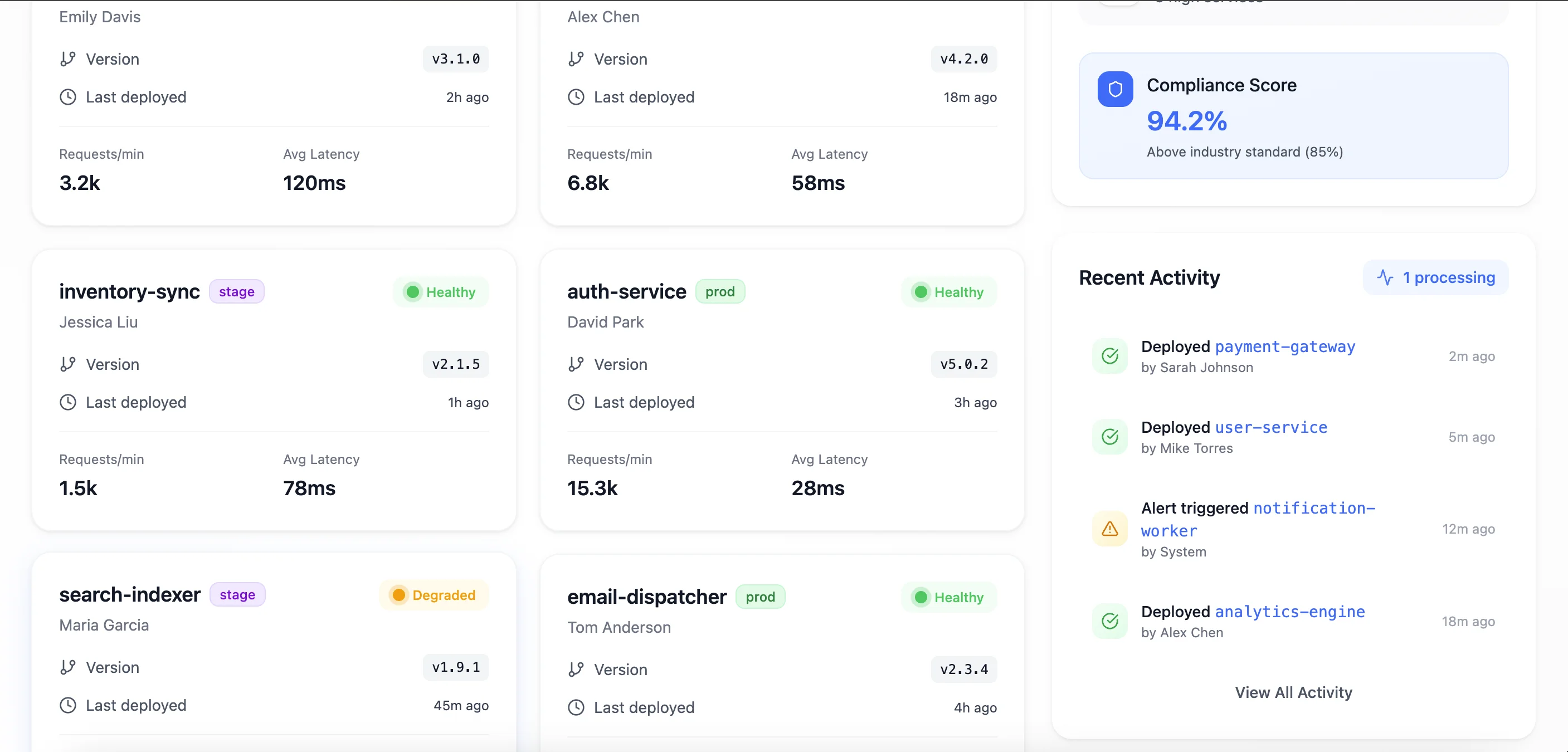
DevOps / CI-CD Control Center

Release and stability control center

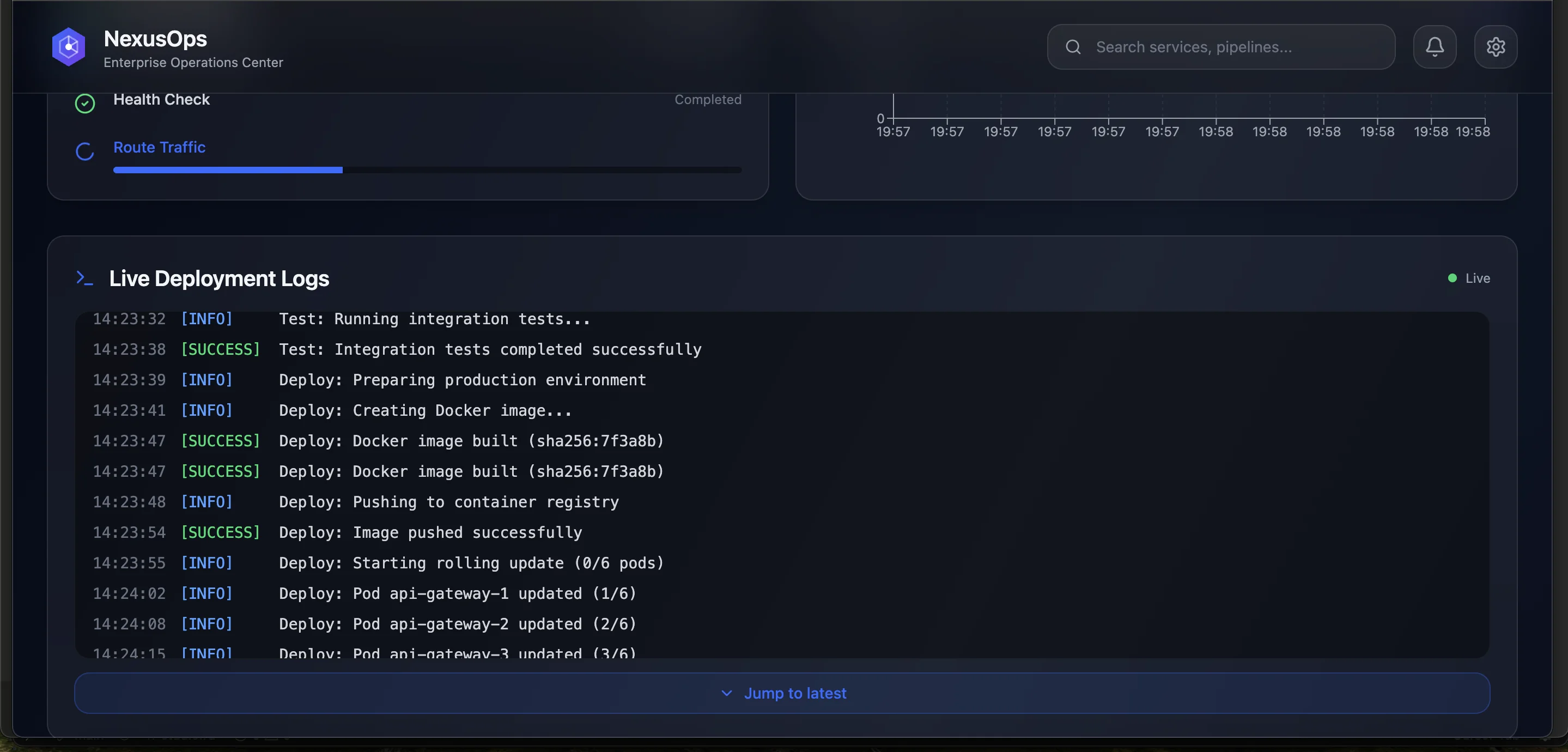
A CI/CD control panel is not a pipeline screenshot. It is an operating system for release governance, safe deployment, and rollback confidence.

What it shows

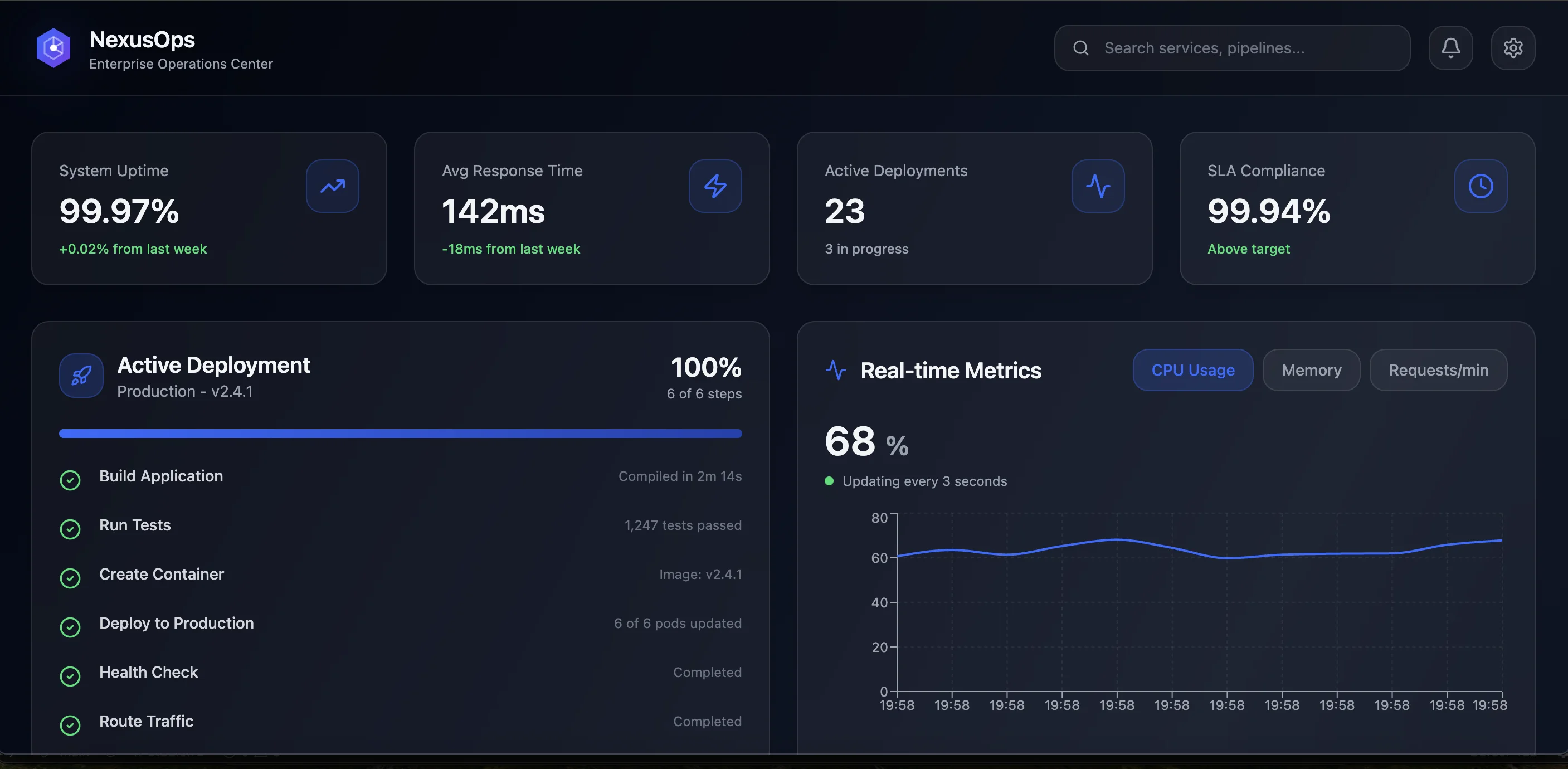
  • - Pipeline stages (Build -> Test -> Security -> Deploy)
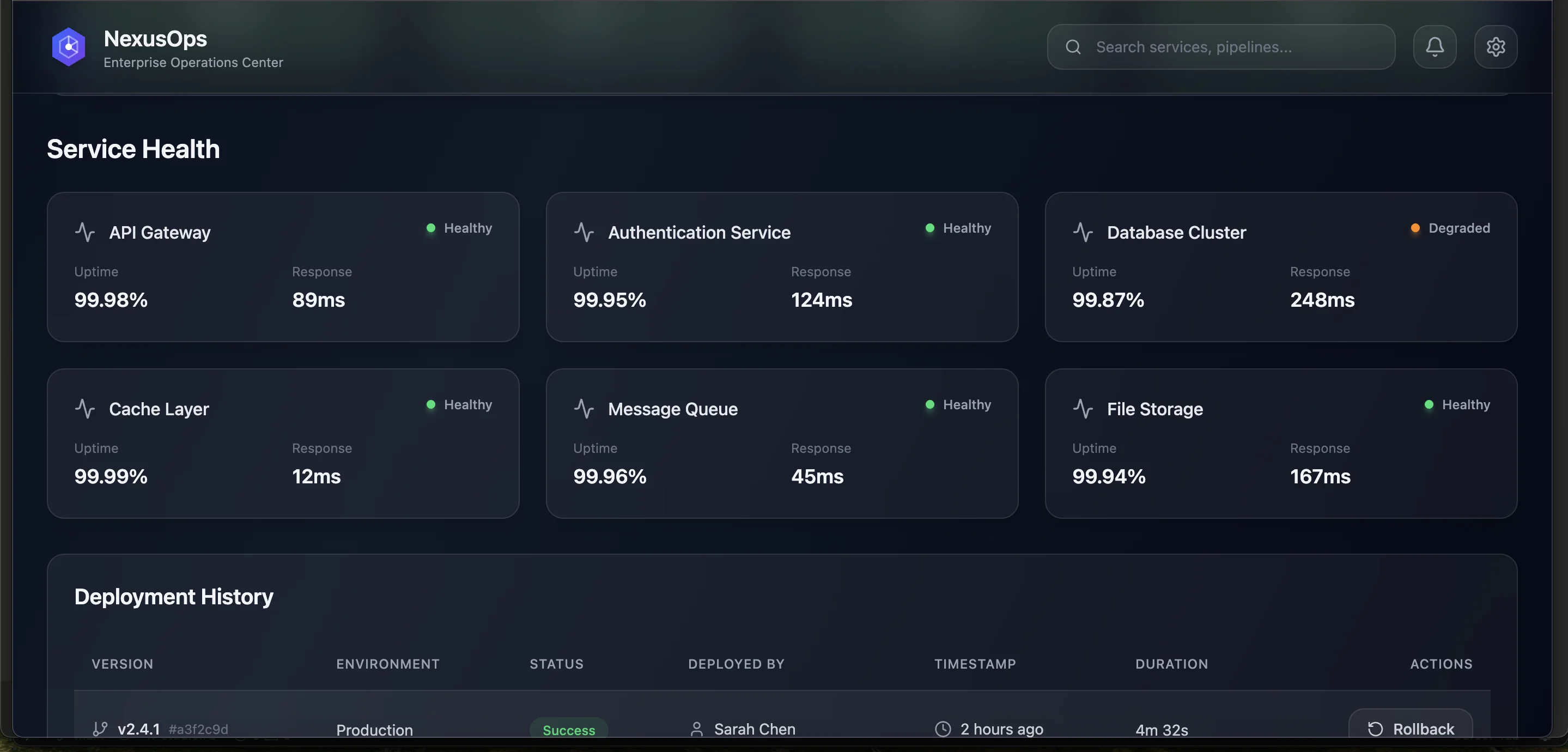
  • - Service health by environment (dev / stage / prod)
  • - SLA and uptime posture
  • - Deployment timeline and release traceability
  • - Safe rollback controls

For whom

Head of Platform, DevOps Lead, CTO

What changes after rollout

  • - Fewer failed releases in production
  • - Faster rollback decisions during incidents
  • - Clear ownership during delivery windows

System objective: Make releases predictable, auditable, and repeatable.
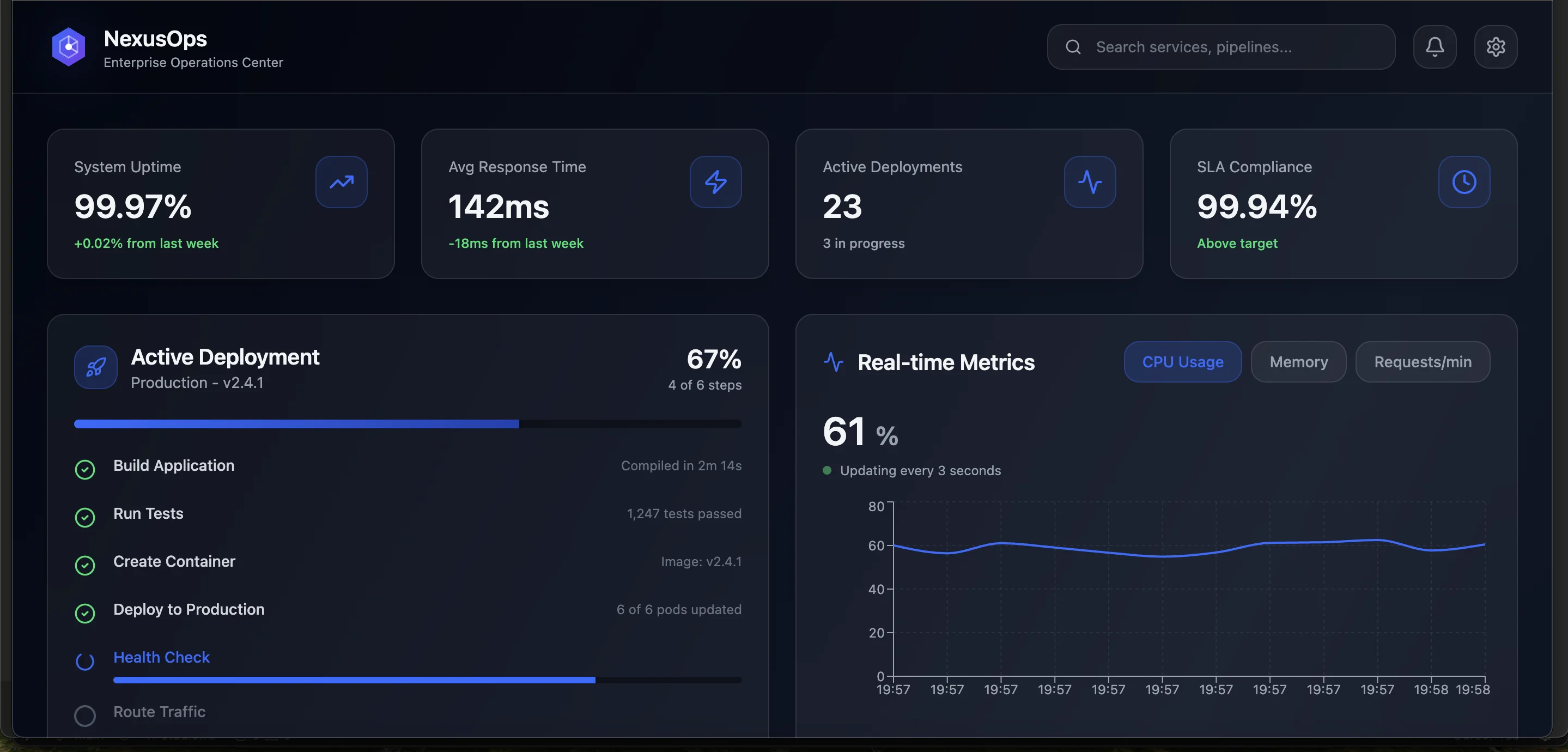
DevOps CI-CD control center dashboard with deployment stages
DevOps CI-CD release management and environment health view
DevOps CI-CD production release history and rollback controls
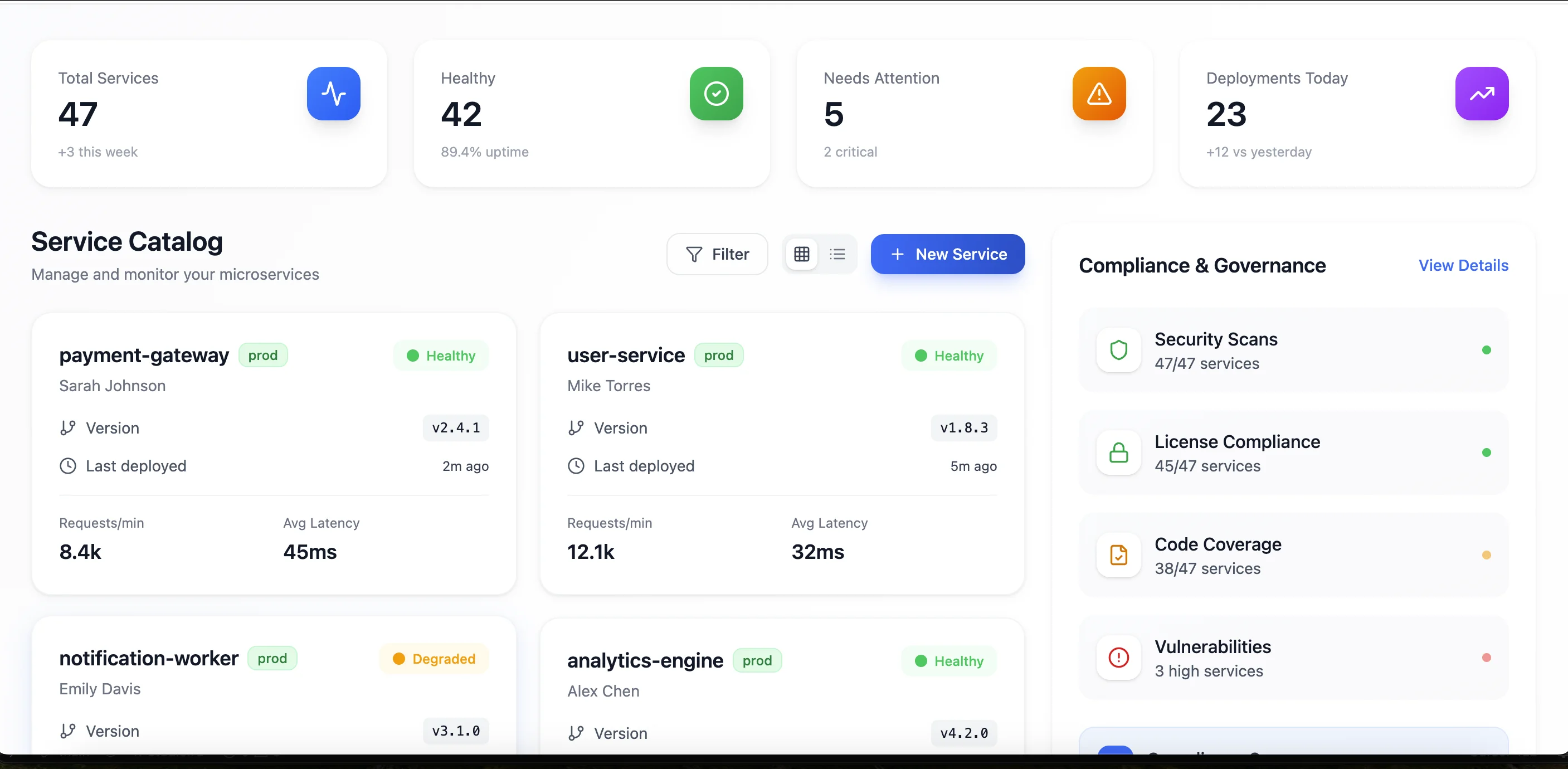
DevOps CI-CD reliability overview with service status signals

Internal Developer Portal (IDP)

Internal catalog of services and standards

The IDP is the infrastructure entry point for engineering teams. It aligns service creation, ownership, and quality standards across the platform.

What it shows

  • - Microservice catalog with ownership
  • - Environment status and dependencies
  • - Service templates and golden paths
  • - Governance and standards compliance checks

For whom

Platform Team, Engineering Managers, Staff Engineers

What changes after rollout

  • - Less architecture drift between teams
  • - Faster onboarding for new engineers
  • - Higher consistency in service quality

System objective: Help teams ship services through one shared engineering system.

Internal Developer Portal with service catalog and ownership model
Internal Developer Portal templates and platform standards view

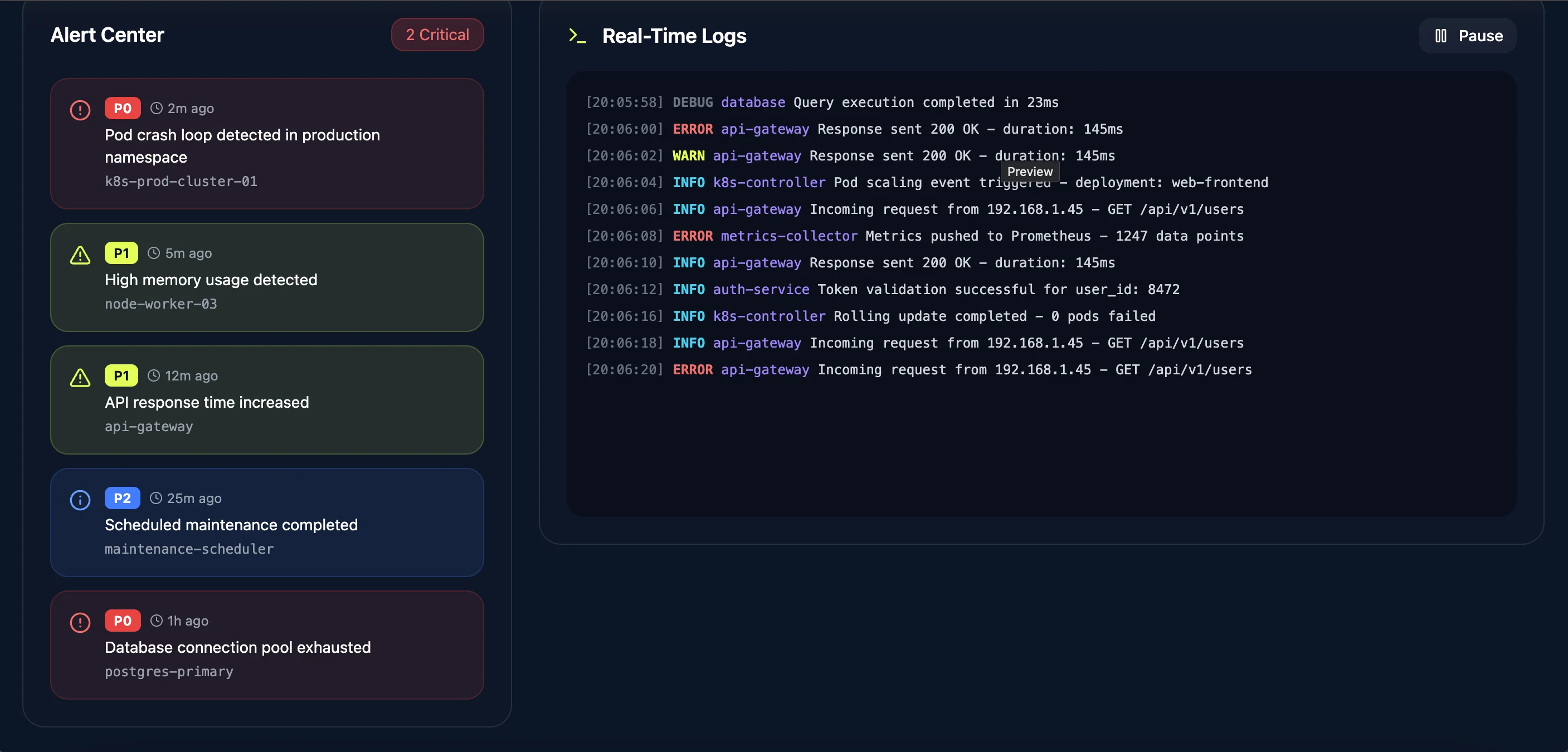
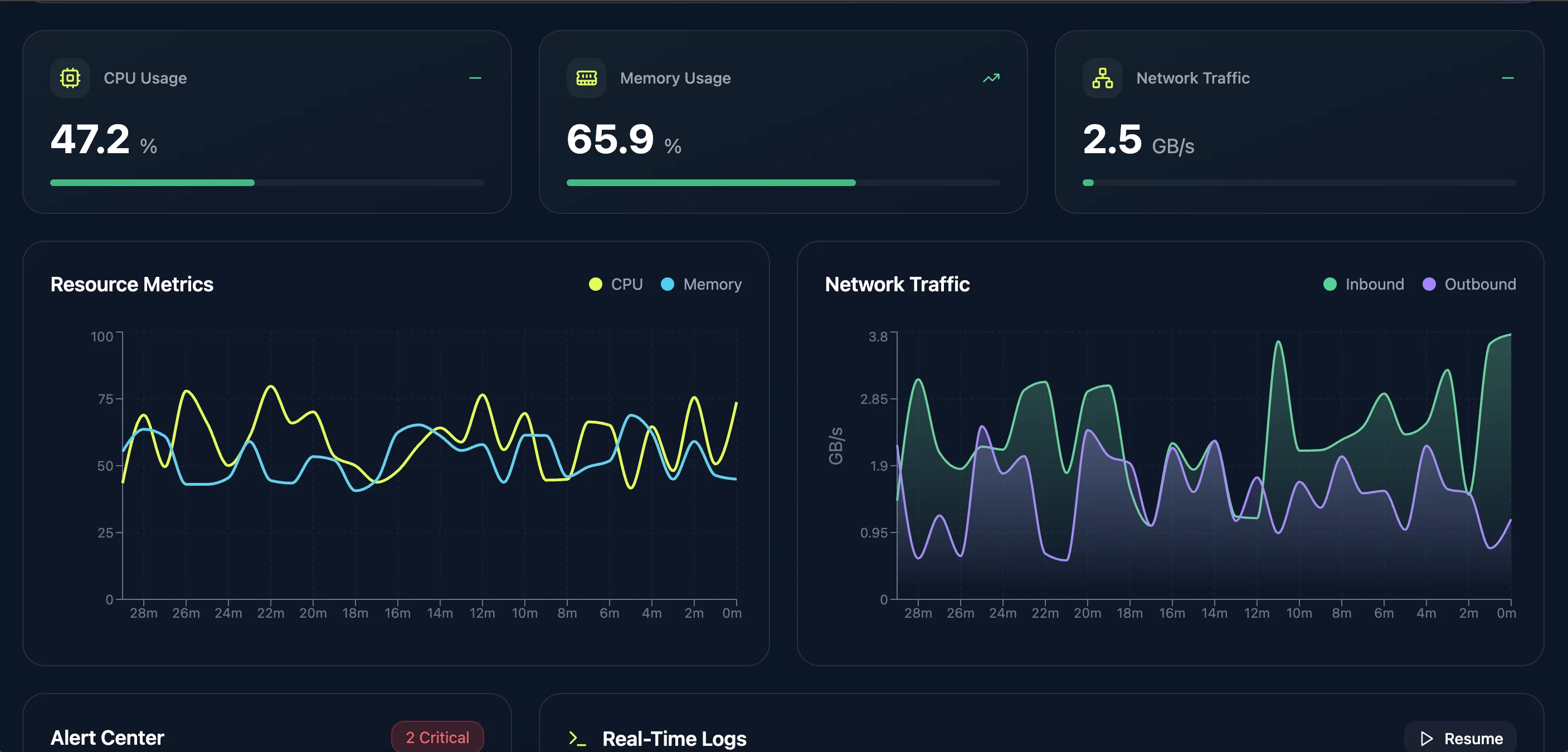
Observability / Monitoring Platform

Performance and incident control

Observability dashboards are early-warning systems for production risk, not just charts. They provide operational context before users are impacted.

What it shows

  • - CPU, memory, and latency telemetry
  • - Log streams and traffic distribution
  • - Priority-based alerting
  • - SLA / SLI / SLO indicators

For whom

SRE Team, DevOps Team, Platform Reliability Leads

What changes after rollout

  • - Lower MTTR during incidents
  • - Earlier issue detection
  • - Better reliability reporting to leadership

System objective: Detect and resolve incidents before customer-facing degradation.

Observability platform with latency, error rates, and SLA health
Monitoring dashboard with logs, alerts, and service metrics

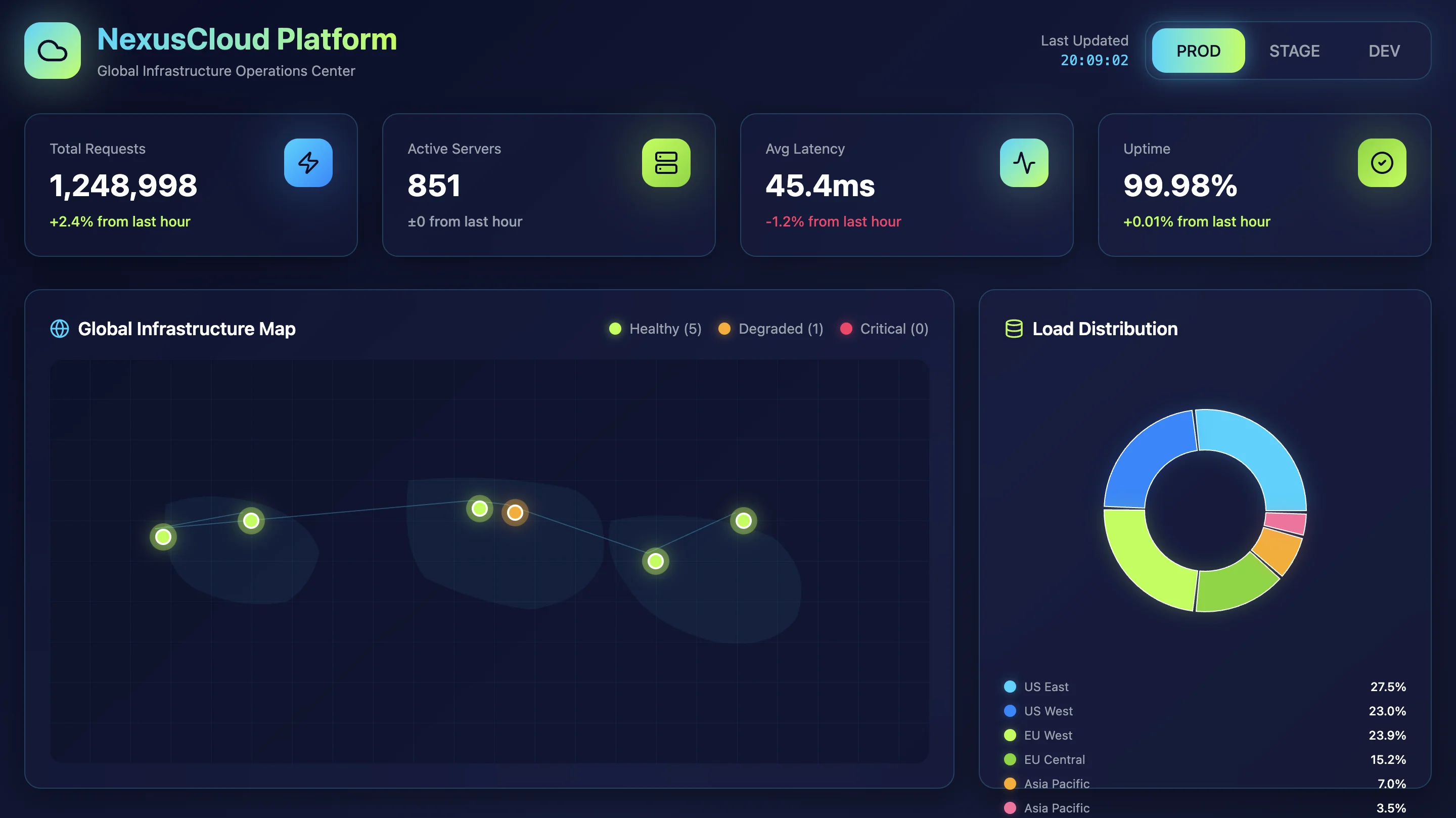
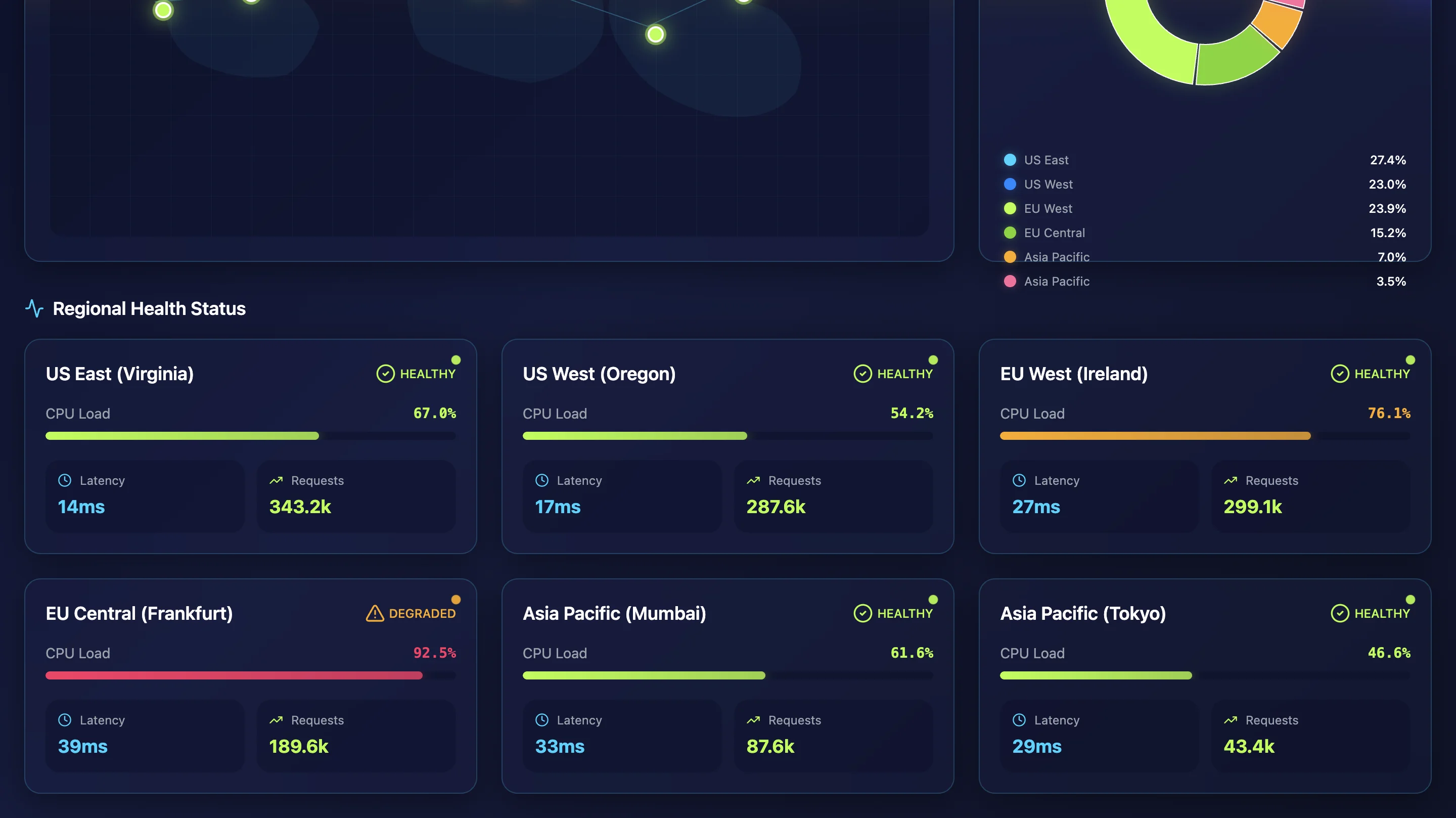
Multi-Region Infrastructure Map

Distributed infrastructure control

For teams operating across regions or availability zones, this map creates one operational picture of global infrastructure behavior.

What it shows

  • - Region and availability zone map
  • - Cluster health by location
  • - Traffic balancing signals
  • - Environment switching and failover posture

For whom

Infrastructure Leads, Platform Architects, Site Reliability Teams

What changes after rollout

  • - Faster decisions during regional incidents
  • - Improved disaster recovery confidence
  • - Clearer communication during high-risk events

System objective: Make global infrastructure state understandable in one interface.

Multi-region infrastructure map with traffic and cluster health
Distributed infrastructure failover and load balancing view

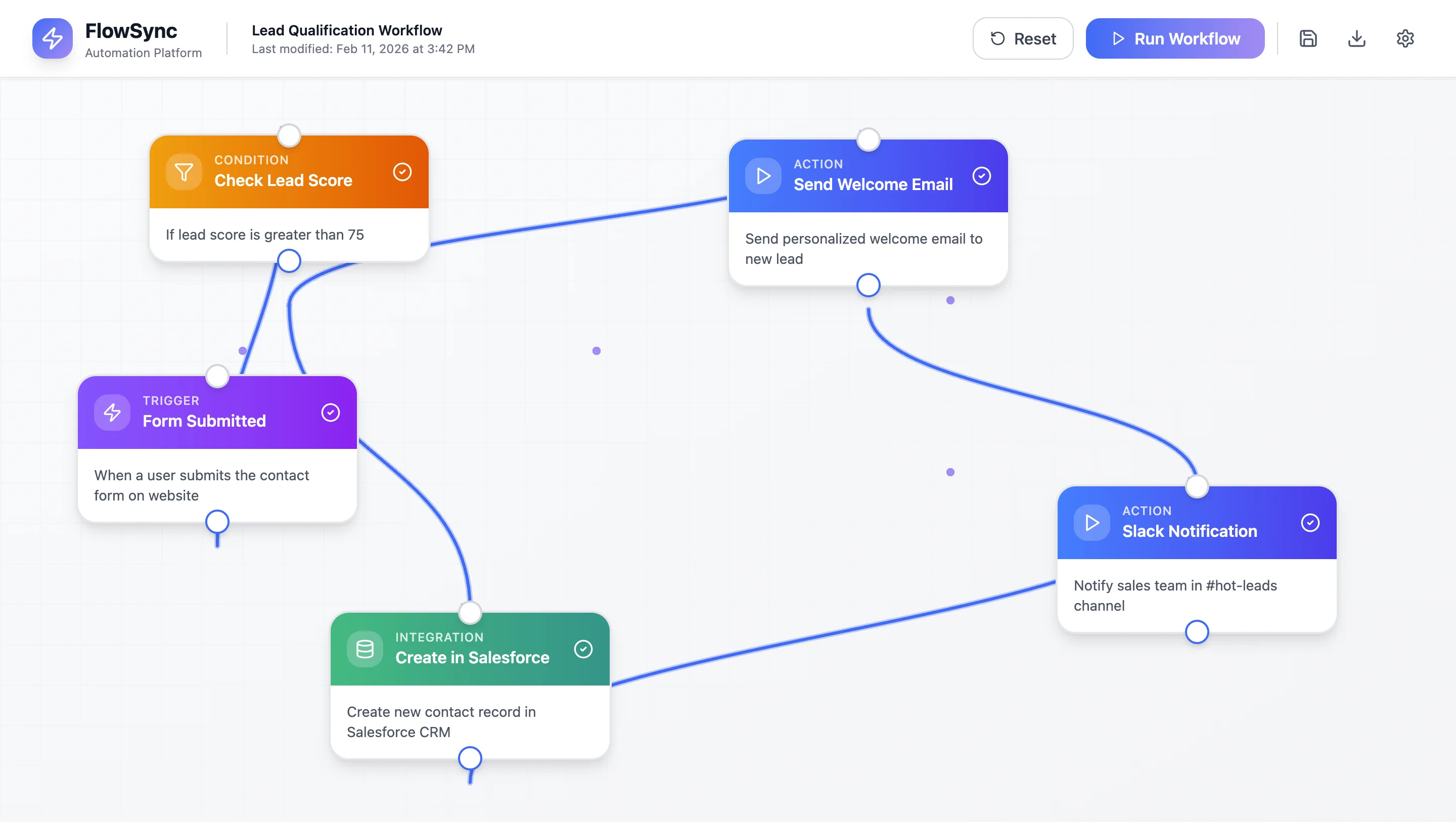
Automation & Workflow Builder

Visual automation constructor

A workflow builder lets teams orchestrate platform and delivery actions through reusable node-based automation, reducing manual operations.

What it shows

  • - Node-based workflows
  • - Integrations with Git, CI/CD, and Kubernetes
  • - Automated deployment orchestration
  • - Controlled execution sequencing

For whom

Platform Engineers, Release Engineering, DevOps Automation Teams

What changes after rollout

  • - Fewer manual release mistakes
  • - Repeatable internal workflows
  • - Higher delivery speed under control

System objective: Remove fragile manual operations from critical engineering flows.

Automation workflow builder with node-based platform orchestration

We do not design dashboards for aesthetics. We design operating systems for engineering execution.

Discuss Your Platform Architecture